





The landscape of software development is like an ever-expanding universe, stretched out in all directions with new methodologies, tools, and technologies. For anyone embarking on a journey through this vast ecosystem, it feels like a new horizon comes into view almost daily, bringing with it the promise of more streamlined workflows, advanced capabilities, and boundary-pushing innovations. The ability to not only keep pace, but also anticipate and adapt to these changes, has become a hallmark of successful developers and forward-thinking businesses alike.
As a regular reader of my blog, you know I’m always on the hunt for great products that add value to our lives. I’ve spent countless hours researching and testing to find the best options out there. Today, I’m excited to share with you some of my favorite finds on Amazon!
The Best Books you can read in 2024
Just a quick note: If you purchase through the links in this post, I receive a small commission from Amazon at no extra cost to you. This helps support the blog and allows me to continue sharing content on Medium.com. Your support is greatly appreciated!
Whether you’re a seasoned developer with your fingertips already tapping out the future’s code, or a business stakeholder seeking to harness the latest and greatest in software prowess, understanding the next level of software development is more than just a nice-to-have. It’s a crucial competitive advantage that can differentiate a thriving, agile enterprise from its struggling peers. Keeping an eye on emerging trends, adopting new paradigms, and perpetually expanding one’s toolkit are now baseline activities for those who wish to excel in this dynamic field.
In this exploration, we invite you on an odyssey through the latest innovations and foresights in programming. We’ll dissect how these advancements are redefining the status quo and ponder on how they’ll sculpt the ever-evolving digital landscape. Software development is not just about coding and deploying applications, it’s about building the backbone of a tech-driven future.
Stay tuned for our next section, where we’ll dive into the Emergence of AI in Software Development. Amid the avalanche of change, Artificial Intelligence stands out, having begun to carve its niche by automating coding tasks and enhancing development processes. But more on that later — for now, let’s focus on comprehending the intricate dance of progress that keeps the world of software development spinning.
Emergence of AI in Software Development
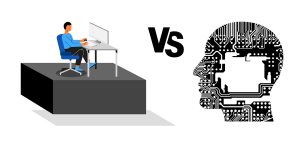
The landscape of software development is undergoing a monumental shift with the emergence of Artificial Intelligence (AI). In an industry that is constantly striving for efficiency and innovation, AI is playing a pivotal role. It’s not just about the futuristic robots or complex machine learning models; AI is now automating coding tasks and revolutionizing the traditional development processes we’ve come to know.
Take, for instance, the way AI-driven tools are now able to interpret natural language to write and optimize code, a process that once required exhaustive efforts from human developers. These tools leverage AI to reduce the manual workload by providing code generation capabilities. Developers can input a description of the functionality they need, and the AI tool outputs the corresponding code block, ready to be refined and integrated into the larger project.
Furthermore, in the quest for impeccable software quality, AI-driven testing is setting new benchmarks. These sophisticated AI systems can generate and execute thousands of test cases, uncovering bugs that might slip past even the most diligent human testers. By doing so, AI enhances the robustness of the software, potentially saving organizations from costly errors and system failures.
With AI’s capacity to learn and adapt, the software development field is witnessing enhancements in productivity, accuracy, and overall efficiency. Reduced time on routine tasks translates into more bandwidth for developers to focus on strategic, creative problem-solving aspects, ultimately leading to innovative products and services.
As we delve deeper into the ramifications of AI in the software industry, it’s important to note that the next section of our discussion will focus on the incredible impact of another burgeoning technology: Low-Code and No-Code Platforms. These platforms are rapidly democratizing the ability to create software, allowing individuals with little to no formal programming experience to partake in the development process. Stay tuned as we explore how these platforms are transforming the speed and inclusivity of development projects.
The Rise of Low-Code and No-Code Platforms
In today’s fast-paced digital world, the democratization of software development has taken a revolutionary turn with the emergence of low-code and no-code platforms. Traditionally, creating software applications required a deep understanding of programming languages, development frameworks, and systems integration. However, this paradigm is swiftly changing as these innovative platforms arm non-technical users with the power to build applications quickly and efficiently, breaking down the barriers to entry in the tech world.
Empowering Non-Technical Users
Low-code and no-code platforms provide intuitive visual interfaces that make the development process much more accessible. With drag-and-drop features and pre-built modules, users can construct fully functional applications without writing a single line of code.






+ There are no comments
Add yours